

10 Skills AI Can’t Replace That You Should Be Learning
Disclosure: Some of the links in this post are affiliate links. This means if you click on the link and purchase an item, I will receive an affiliate commission at no extra cost to you.
AI can write an email before you finish your coffee. It can create images, organise information, draft captions, analyse data, and complete tasks that once took hours.
That speed has made one question much louder: What happens to the people doing those jobs? I think a better question is: Which skills become more valuable because AI exists?
Companies may use AI to complete repetitive work, but businesses still depend on people who can understand other people. Someone still needs to calm an unhappy customer, notice when a client feels uncertain, make a difficult judgement call, understand a community, or change direction when a strategy stops working.
Learning to use AI matters. However, learning skills that become stronger when combined with AI may matter even more. I touched on this idea while writing about 8 smart ways to find clients on X (Twitter) and get hired faster.
Finding opportunities is useful, but you also need a skill that gives someone a reason to hire you. Some of those skills are surprisingly accessible. You do not necessarily need to return to school or completely change your career direction. You may already have the beginnings of one without recognising its value. So, instead of trying to compete with what AI does quickly, it may be smarter to strengthen what still requires judgement, trust, creativity, strategy, and real human understanding.
The 10 skills AI can’t replace below are worth paying attention to, especially if you’re building a freelance career or looking for remote work. And a few of them may not be the skills you’re expecting.
Why These Skills Still Matter in an AI-Driven Workplace
AI has changed how many everyday tasks get completed. A person can now draft an email, organise a schedule, create captions, or generate an image much faster.
However, completing a task and understanding the people behind that task are different things. Businesses still need workers who can make judgement calls, communicate during uncomfortable situations, notice changing customer needs, and decide what should happen next.
These abilities become especially important when a situation does not follow a predictable pattern. That is where the 10 skills AI can’t replace become useful. You also do not need to ignore AI while developing them. The stronger approach involves learning how to use AI for repetitive work while strengthening the human skill surrounding it.
For example, AI might draft your message. You still decide how the message should sound to a frustrated client. AI might suggest a marketing campaign. A marketer still needs to understand why customers care about the offer. If remote work interests you, learning these skills can also make your client search more focused.
My 10 APPS that teach tech skills for FREE can help you turn a useful skill into actual conversations with potential clients.
Here are the 10 skills AI can’t replace that are worth developing.
10 Skills AI Can’t Replace That You Should Be Learning
1. Client Communication

Good client communication goes far beyond sending professional emails. AI can help you draft an email, rewrite an awkward sentence, summarise meeting notes, or create a polite response. Those tools can save plenty of time. However, strong communication requires something deeper.
Reading the Situation
Imagine a client normally sends cheerful messages but suddenly replies with:
“Okay. I’ll look at it.”
Technically, nothing is wrong with that sentence. Still, someone who has worked closely with that client may notice the change immediately. Perhaps the client feels disappointed. Maybe they misunderstood something. They could also simply be busy. Knowing when to ask a question instead of making assumptions requires judgement.
That matters even more during difficult conversations. A client might dislike your work, misunderstand your process, become frustrated about a deadline, or unexpectedly change the project. Your response can determine what happens next.
Open this next: 7 Websites to start learning video editing for FREE
Building Trust With Clients
Clients also need to feel comfortable telling you when something is wrong. That trust develops through small actions. You communicate clearly. You ask useful questions. You listen carefully. You admit when something needs fixing.
Over time, the client knows what working with you feels like. AI can support those conversations, but the relationship remains between two people.
Strong client communication therefore makes many other remote skills more valuable. A talented freelancer who cannot communicate may struggle to retain clients. Someone with solid skills and excellent communication can become much harder to replace.
2. Social Media Management
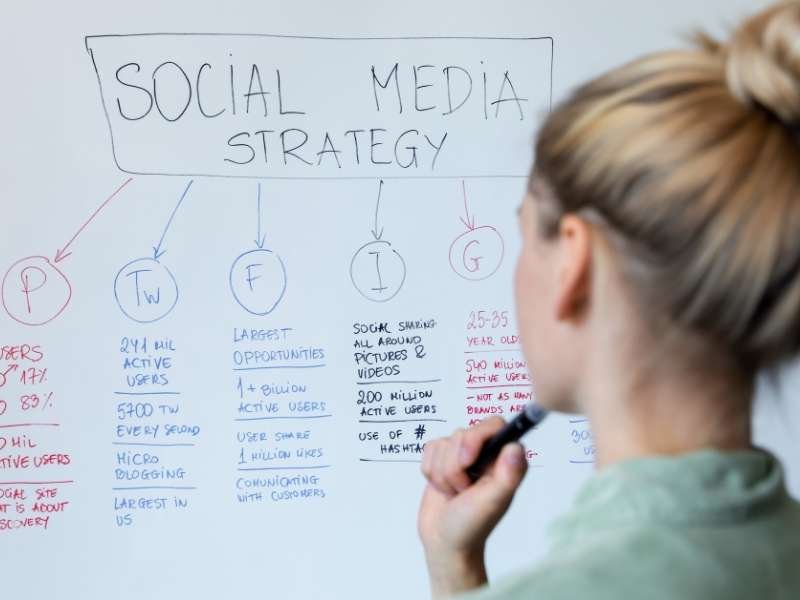
Scheduling social media posts is easy to automate. Understanding a community is much harder. That distinction matters when looking at the 10 skills AI can’t replace.
Social media managers spend time watching how real people react to content. They notice the jokes followers understand, questions customers repeatedly ask, and conversations beginning to gain attention.
Understanding Community Culture
Every online community develops its own personality. A playful beauty brand cannot communicate exactly like an accounting company. Even two brands selling similar products may attract completely different audiences.
AI can suggest captions based on previous information. However, someone still needs to judge whether those captions actually fit the audience. A social media manager may notice that customers suddenly dislike a particular phrase. Another might recognise a comment that could become a larger complaint. Those little signals require context.
Making Real-Time Decisions
Social media also moves quickly. A post that looked harmless yesterday may suddenly feel inappropriate because something happened overnight. A trend might explode and disappear before a scheduled content calendar catches up.
That means social media management involves more than posting content. It includes listening, responding, experimenting, watching reactions, and making decisions.
You can certainly use AI to brainstorm ideas or speed up repetitive tasks. However, human intuition remains important when deciding what deserves attention. That combination can make social media management a useful remote service to develop.
Bookmark this: 7 Websites to start learning video editing for FREE
3. Content Creation

AI can produce content incredibly quickly. Give it a topic and it can create captions, outlines, scripts, emails, or articles within seconds. Speed, however, does not automatically create connection.
Your Perspective Still Matters
Think about two people describing the same experience. They probably will not tell the story exactly the same way. One person remembers something funny. Another remembers an uncomfortable moment.
Someone else notices a tiny detail everyone overlooked. Those differences create personality. Strong content often comes from observations, experiences, opinions, storytelling, humour, and understanding what an audience cares about. AI can help organise those ideas. It cannot live those experiences for you.
Creating Content People Remember
Content creation also requires choices. What should you leave out? Which detail deserves more attention? Should the opening feel funny, emotional, surprising, or practical?
Those decisions influence how someone experiences the content. A creator also learns from audience reactions. Perhaps people repeatedly save tutorials but ignore motivational posts.
Maybe short personal stories receive thoughtful comments. That feedback changes future content. Instead of treating AI as your replacement, you can use it as part of your workflow. Let it help with brainstorming, research organisation, or rough drafts.
Then bring your own judgement, voice, and understanding into the final piece. Save this for later: 8 Powerful AI Prompts you can use for job search
4. Project Coordination

A project rarely fails because nobody knew how to create a checklist. Problems usually appear when real people enter the equation. Someone misses a deadline. Another person misunderstands the assignment. A client changes the project halfway through.
Suddenly, that beautiful project plan needs adjusting.
Handling Unexpected Problems
AI can track deadlines and organise tasks efficiently. However, a project coordinator often needs to answer questions without perfect solutions. Which deadline can move? Who needs help?
Should the client know immediately? Can another team member take over part of the work? Those choices depend on the project, people, priorities, and consequences. A good coordinator sees the larger picture.
Keeping People Moving Together
Project coordination also requires communication. You may need to remind someone about overdue work without creating unnecessary tension. Another situation may require explaining why a task needs changing.
Sometimes two people disagree. The solution cannot always come from an automated message. People need someone who can listen, understand the problem, and help everyone move forward. This makes project coordination one of the 10 skills AI can’t replace completely, especially when projects become complicated. Learning project tools still helps.
Yet learning conflict resolution, prioritisation, communication, and decision-making can make the skill much stronger. Pin this guide: 5 Lucrative Remote Skills you can learn in 2026
5. Email Marketing

AI can write subject lines. It can create promotional emails, welcome sequences, abandoned-cart messages, and newsletters. Email marketing still requires strategy behind those words.
Understanding the Person Behind the Email Address
A subscriber is not simply another contact on a list. That person joined for a reason. Perhaps they wanted a discount. Maybe they downloaded something useful. They might have bought before and want another product.
Those differences matter. A good email marketer thinks about what each person needs next. Sending everyone identical messages may be easier, but it does not always create the best experience.
Knowing What to Test Next
Email marketers also work with information. One subject line may receive plenty of opens but few clicks. Another campaign might generate clicks without purchases.
Numbers alone do not make the next decision. Someone needs to interpret what happened. Was the offer unclear? Did the email attract the wrong curiosity? Was the call to action weak? Did subscribers receive too many emails that week? AI can help analyze results, but a marketer still needs to connect those results with customer behavior and business goals.
That mix of writing, psychology, testing, and strategy keeps email marketing highly human. Come back to this: 6 FREE Websites that gets you hired FAST
6. Virtual Assistance

Virtual assistance may look especially vulnerable to automation because AI can already complete many administrative tasks. It can draft emails, summarise meetings, organise information, and help create schedules. Yet great virtual assistance involves much more than completing isolated tasks.
Anticipating What Someone Needs
A strong virtual assistant gradually understands how a client works. You learn what they usually forget. You know which meetings require preparation. You recognise which emails need immediate attention and which ones can wait.
Eventually, you may solve small problems before the client even notices them. That level of support requires context.
Handling Sensitive Situations
Virtual assistants may also work with private business information, schedules, customer conversations, or internal documents. Discretion becomes part of the job. Then plans change.
A meeting gets cancelled. A client suddenly needs something completed today. Three tasks become urgent simultaneously. You need to decide what deserves attention first.
AI can support you throughout that process, but someone still needs to own the decisions. The strongest virtual assistants therefore become trusted partners rather than people who simply tick items off a task list.
Save this guide: 20 FREE resources to learn Cybersecurity
7. Canva and Visual Design

AI image tools have made visual creation faster than ever. A person can describe an idea and receive an image almost immediately. That does not remove the need for good design judgement.
Understanding Brand Identity
A business does not need random attractive graphics. It needs visuals that feel connected. Fonts, image choices, layouts, spacing, photography, and other elements create a recognisable identity.
A designer needs to understand that identity before making decisions. Even a beautiful design can fail when it feels completely wrong for the brand.
Creating Visual Consistency
Imagine visiting a company’s Instagram page and seeing ten posts that look like ten unrelated businesses. Each individual graphic might look fine. Together, they create confusion.
A visual designer thinks beyond one image. They consider how a design fits beside previous content and how it will appear across different platforms. They also need to understand the emotional goal.
Should this design feel luxurious? Friendly? Calm? Energetic? Playful? Those decisions require human interpretation. AI can become a useful design assistant. However, a person still needs to direct the visual system and decide what actually belongs.
Bookmark this page: 9 FREE AI tools every remote worker should have in 2026
8. AI Prompt Writing
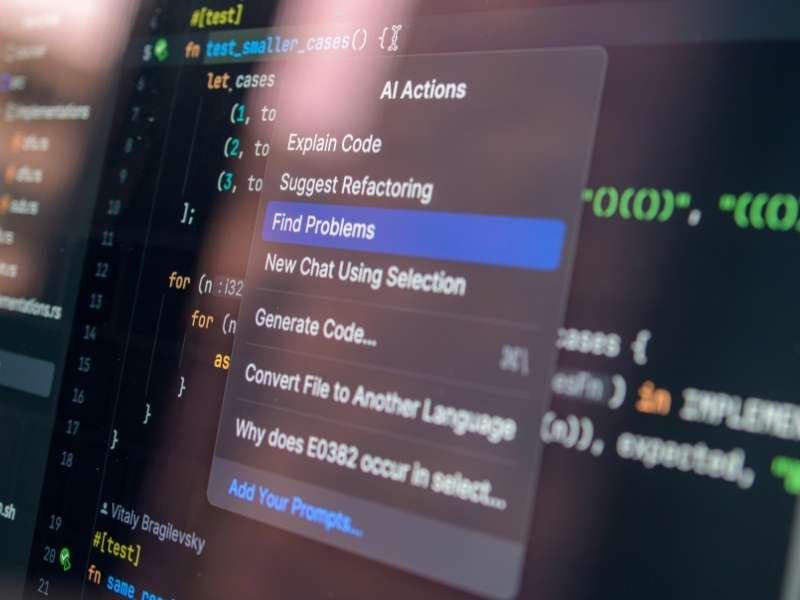
This skill works differently from the others because it involves working directly with AI. As AI becomes more capable, knowing how to communicate with it becomes increasingly useful. Simply typing a vague request often creates a vague result.
Giving AI Better Direction
Good prompt writing starts with knowing what outcome you actually need. You may need to explain the audience, objective, limitations, format, examples, and context.
Then you evaluate the response. Did AI misunderstand something? Did it make an unsupported assumption? Does the answer fit the actual goal?
If not, you adjust the instructions. This guide will help you: 6 Powerful Chat GPT Prompts to help reduce your workload That process requires judgement.
Knowing When AI Is Wrong
This part matters just as much as writing the prompt. Getting an answer from AI does not automatically make that answer correct. Someone needs enough knowledge to review the output.
That means effective AI users do more than ask clever questions. They understand the task well enough to recognise poor answers. Prompt writing can therefore strengthen many other skills.
A social media manager can use AI differently from an email marketer. A virtual assistant might create workflows suited to administrative work. The valuable skill is not simply “using AI.” It is knowing how to direct, evaluate, correct, and apply it strategically.
9. Customer Service

Customer service provides one of the clearest examples of where automation helps without removing the human role. AI can answer common questions quickly. Where is my order? How do I reset my password? What time do you close? Those questions often have straightforward answers. The situation changes when a customer becomes angry.
De-Escalating Difficult Conversations
An unhappy customer may not only want information. They may want someone to understand why they are frustrated. Perhaps their order arrived late before an important event.
Maybe they have contacted support three times without receiving a solution. Sending another technically correct automated response could make the situation worse.
A skilled customer service worker recognises the emotional part of the problem. They listen, explain, apologise when appropriate, and look for a reasonable solution.
Turning Problems Into Trust
A complaint does not always have to end with losing a customer. Handled carefully, it can sometimes strengthen the relationship. People remember how businesses treat them when something goes wrong.
That requires empathy and judgement. Customer service workers also notice recurring problems. If twenty customers complain about the same confusing checkout step, someone needs to recognise the pattern and communicate it internally. AI can support customer service teams, especially with repetitive questions. However, difficult conversations still show why human skills matter.
Read this next: 9 Websites that teach you EXCEL courses for FREE
10. Digital Marketing Strategy
AI can generate advertisements, suggest keywords, analyse campaign information, and produce dozens of marketing ideas. Strategy asks a different question: What should the business actually do? That question rarely has one perfect answer.
Understanding Human Psychology
Marketing involves understanding why people make decisions. A product might solve a practical problem while also meeting an emotional need.
Someone buying a planner may want more than paper. They may want to feel organised. Someone buying skincare may want more than moisturised skin. They might want confidence.
A marketer needs to uncover those deeper motivations without inventing them. Customer interviews, comments, reviews, sales conversations, and behaviour can reveal important clues.
Changing Strategy When the Market Changes
Marketing plans also need flexibility. A campaign may perform beautifully for months and suddenly slow down. Competitors enter the market. Customer priorities change. Platforms change their algorithms. New trends appear.
A strategist must decide what to adjust. Do you change the offer? Try another audience? Rewrite the message? Move the campaign elsewhere?
AI can provide suggestions and analyse available information. The final decision still requires context, business understanding, experimentation, and judgement. Digital marketing works best when technology handles some execution while humans remain responsible for direction.
What These 10 Skills AI Can’t Replace Have in Common
Look closely at these skills and a pattern appears. Most involve people, judgement, trust, creativity, communication, or strategy. The repetitive parts of these jobs will continue changing.
A virtual assistant may spend less time manually organising information. A marketer might create first drafts faster. A designer may use AI to explore visual concepts. That does not necessarily make the entire skill useless. It changes where your value comes from.
Instead of being valuable because you can complete a repetitive task, you become valuable because you know what should happen before and after that task. That distinction matters when deciding what to learn next.
How to Choose Which Skill to Learn First
Do not try to learn all 10 skills AI can’t replace simultaneously. Start with the one that fits how you naturally like working. If you enjoy conversations and solving people’s problems, client communication or customer service could make sense. If you enjoy organization, consider virtual assistance or project coordination.
Creative people may feel more comfortable starting with content creation, social media management, or visual design. People who enjoy numbers, testing, and understanding customer behavior might prefer email marketing or digital marketing strategy. Then practise that skill with real projects. Create sample work. Help a small business. Build a simple portfolio.
Study people already doing the job well. You can also use AI while learning. Ask it to create practice scenarios, explain unfamiliar concepts, or critique your first attempt. Just do not allow the tool to do all the thinking for you.
Final Thoughts
AI will keep changing how people work, and some tasks will almost certainly become easier to automate. That makes choosing what you learn increasingly important.
The 10 skills AI can’t replace are not valuable because technology can never touch any part of them. Many already use AI every day. Their strength comes from the human decisions surrounding the technology.
Communication requires trust. Marketing requires understanding. Customer service requires empathy. Project coordination requires judgement. Content needs perspective. Those are areas worth strengthening. Pick one skill that matches your strengths and start practising it consistently.
Then learn how AI can remove repetitive work without removing your thinking. The goal does not need to be becoming someone who never uses AI. It is becoming the person who knows what to do with it, what not to trust, and when a human needs to take over.







15 Comments