
Remote Career vs Content business: Which One Is Right for You?
Disclosure: Some of the links in this post are affiliate links. This means if you click on the link and purchase an item, I will receive an affiliate commission at no extra cost to you.
Choosing between a remote career and a content business can feel confusing, especially when both options promise more freedom. One path can help you earn sooner, while the other may take longer before your income becomes consistent. Therefore, the better choice depends heavily on your current needs, financial situation, personality, and long-term goals.
The Remote Career vs Content business decision becomes easier when you understand how each path actually works. A remote career means you earn through your skills by working for clients or employers. You can offer virtual assistance, copywriting, social media management, project coordination, digital marketing, or other services. Meanwhile, a content business focuses on building an audience and creating income through brand partnerships, affiliate marketing, digital products, platform monetization, or similar streams.
Your timeline matters too. Someone who needs income within the next few months may prefer a remote career because client work can produce money sooner. However, someone with financial breathing room may have more flexibility to build content consistently over several months.
You also need to think about your preferred working style. A remote career gives you defined responsibilities, deadlines, and client expectations. Content creation requires more self-direction, consistency, experimentation, and patience.
Interestingly, you do not have to choose one forever. You can start with a remote career, use that income to support your content business, and gradually build both paths together. For more practical career ideas, explore 9 places people can find remote clients immediately (that nobody is talking about).
Understand the Real Difference First

The Remote Career vs Content Business decision becomes much easier once the two models are separated clearly. A remote career focuses on getting paid for a service, skill, or professional role. A content business focuses on building an audience and creating several ways to monetize that attention over time.
Remote work usually connects effort with income more directly. A client hires a virtual assistant, writer, designer, marketer, or project coordinator because they need a specific result. Once the agreement begins, the work comes with deadlines, deliverables, and clear expectations. That structure appeals to people who prefer defined responsibilities and a predictable workflow.
A content business follows a different route. Instead of working mainly for clients, the creator builds a relationship with an audience through useful, entertaining, or educational content. Revenue can later come through affiliate marketing, digital products, sponsorships, memberships, advertising, or other channels. The upside can become much larger, but the early stage often demands patience and consistent effort.
That distinction matters because both paths can lead to financial freedom, yet they operate on different timelines. Someone who needs income within the next ninety days may need a different starting point from someone who can invest six to twelve months into building an audience.
A useful starting point involves identifying marketable skills, then exploring 10 websites to learn data entry for FREE with certificates. That can help clarify the faster route toward paid work before making a bigger decision.
How Quickly Does Income Need to Arrive?

Time pressure changes the Remote Career vs Content Business decision considerably. A remote career generally offers a shorter path between learning a skill, finding an opportunity, and receiving payment. The timeline still varies, but service-based work does not require an audience before someone can hire you.
A virtual assistant, for example, can begin by offering inbox management, scheduling, research, or administrative support. A copywriter can create several samples and start pitching potential clients. A social media manager can build a small portfolio and approach businesses that need consistent content support.
Content businesses usually require more preparation before revenue becomes dependable. First comes content creation, then audience growth, followed by trust-building and monetization. That sequence takes time, especially when the creator starts with no audience, no email list, and no established reputation.
Someone facing immediate financial pressure should think carefully before relying entirely on content income. Bills rarely wait for an algorithm to improve, and audience growth can move unpredictably. A remote career often offers a safer first step when monthly stability matters right now.
Learning practical software can also speed up the transition. 10 APPS That Teaches Tech Skills for FREE can support the development of useful digital abilities that fit entry-level remote roles.
The Remote Career Path Favors Structure

A remote career can feel much easier for someone who enjoys clear expectations. Clients usually provide goals, deadlines, and deliverables, while the professional handles execution. That framework creates accountability even on days when motivation drops.
Project management offers a good example. A client or employer may expect timelines, task tracking, meetings, documentation, and regular updates. The work has boundaries, and success often depends on completing measurable responsibilities on schedule.
See this: 5 Lucrative Remote Skills You Can Learn in 2026.
Administrative roles offer another example. A virtual assistant may organize calendars, manage email, maintain records, or coordinate projects. The work can become repetitive at times, yet the expectations remain clear.
Customer support works in a similar way. Tickets arrive, customers need assistance, and responses require professionalism and problem-solving. The environment can still feel demanding, but the responsibilities remain easier to define than the open-ended demands of building a personal media brand.
Someone interested in structured work can explore 12 Websites to Start Learning Project Management for FREE. Those resources can help build a foundation for project-based roles and long-term remote career growth.
Content Business Favors Self-Direction
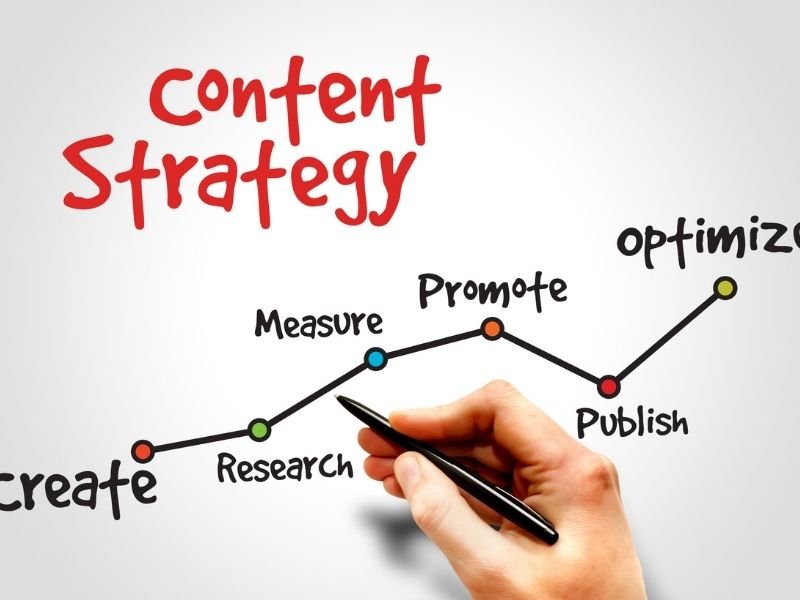
The other side of the Remote Career vs Content Business decision requires a different mindset. A content business rarely provides external accountability during the early stages. Nobody may ask for the next video, article, newsletter, podcast, or social post, so the creator has to create the structure.
That freedom can feel exciting, especially for someone who dislikes rigid schedules. However, freedom can also become a problem when consistency depends entirely on motivation. Content growth usually comes from repeated effort, experimentation, and learning rather than occasional bursts of enthusiasm.
A creator may spend weeks researching topics, testing hooks, improving thumbnails, writing articles, or recording videos before the audience responds strongly. The work can feel slow because the reward often arrives later than the effort. Patience therefore becomes a major requirement.
Someone who enjoys building publicly may find that process rewarding. Another person may find the uncertainty frustrating and prefer working behind the scenes for clients. Neither preference makes one path better; it simply shows that the Remote Career vs Content Business choice should fit the person’s working style.
Video skills can make content creation much easier, and 7 Websites to Start Learning Video Editing for FREE can help creators build that ability without making a large upfront investment.
Consider the Type of Work You Enjoy

Work preference plays a major role in the Remote Career vs Content Business comparison. Some people enjoy solving a specific problem for a client, completing the work, and moving to the next task. Others prefer creating ideas, experimenting with formats, and building something that belongs entirely to them.
Client-based work often involves communication. Emails, meetings, revisions, deadlines, and feedback all become part of the process. That environment can suit someone who enjoys collaboration and clear objectives.
Content businesses require a different kind of creativity. The creator decides what deserves attention, which topics deserve investment, and how the audience should experience the brand. The work can involve writing, filming, editing, research, design, analytics, and marketing all at once.
AI can reduce some of that workload. 9 FREE AI Tools Every Remote Worker Should Have in 2026 can help with research, organization, planning, writing, and repetitive tasks. Even so, technology does not remove the need for judgment, creativity, or consistency.
Those who prefer a broad creative role may enjoy the content path more. People who prefer a narrower professional specialty may feel more comfortable with remote client work.
Do You Want to Be the Face of the Business?
The Remote Career vs Content Business choice also depends on visibility. A remote career does not require a public personal brand. Many professionals spend their entire workday supporting a business without appearing on social media or creating public content.
That can feel ideal for people who prefer privacy. A virtual assistant can organize a CEO’s calendar without becoming a public personality. A copywriter can produce sales pages without appearing on camera. A project coordinator can manage deadlines without building a personal following.
Content businesses usually require some degree of public visibility. That does not always mean showing your face, because faceless channels, blogs, newsletters, and screen-based tutorials can all work. However, consistent creation remains essential because audiences need repeated exposure before they develop familiarity and trust.
Open this: How to make your current skill more valuable and make money (without learning a new one
A person who dislikes content creation may struggle to maintain that rhythm. Someone who enjoys teaching, storytelling, or sharing ideas may find the process energizing. The strongest option usually matches the creator’s natural working style.

What Does the Financial Situation Look Like?
The Remote Career vs Content Business decision becomes more serious when financial obligations enter the conversation. A stable monthly income can change how much risk someone can comfortably accept.
Remote work generally offers a lower-risk starting point because income comes from completed work. The exact amount varies by role, market, experience, and client base, but the relationship between service and payment remains direct.
Content businesses carry greater short-term uncertainty. A creator may publish consistently without meaningful revenue for months. Income can also fluctuate because audience attention, platform rules, search traffic, and sponsorship demand can change.
That does not make the content model weak. It simply requires financial breathing room.
Someone with savings may have more freedom to build content slowly. Another person may need to prioritize client work while developing the audience on the side.
A useful approach involves combining both paths. Remote income can cover current expenses, while content becomes a long-term project. That strategy reduces the pressure to force immediate revenue from every piece of content.
The Long-Term Ceiling Looks Different
The Remote Career vs Content Business comparison becomes especially interesting when long-term scale enters the picture.
A remote career can grow through specialization. A freelancer might start with one service, then increase rates, move into a higher-value niche, handle larger clients, or build an agency. The income ceiling can become substantial, although growth often requires additional responsibility.
A content business can scale differently. One piece of content can reach thousands or millions of people, and the creator can monetize that audience through several channels. Digital products can sell repeatedly, affiliate content can continue generating commissions, and sponsorship opportunities can increase with audience size.
However, greater scale comes with greater unpredictability. Audience businesses depend heavily on distribution, trust, consistency, and market demand. A creator can work hard and still experience slow growth.
That trade-off sits at the center of the Remote Career vs Content Business discussion. Remote work often provides more predictable progression, while content can provide more scalable upside.
People interested in broad online income opportunities can explore 25 FREE Platforms to Learn Skills That Pay in 2026 while deciding which direction makes the most sense.

Several Skills Work for Both Paths
One of the best insights in the Remote Career vs Content Business comparison involves skill overlap. Many digital skills can serve both models, which means learning one ability does not lock you into one career path.
Social media management provides a clear example. A professional can manage content for clients while also using the same knowledge to grow a personal brand.
Copywriting works the same way. The skill can generate freelance income, strengthen a marketing career, or help sell products through a personal content business.
Digital marketing also travels well between both models. A marketer can serve businesses while applying SEO, email marketing, and content strategy to a personal website or media brand.
Graphic design creates another bridge. A designer can offer client services, sell templates, or create branded visuals for a personal platform.
AI proficiency amplifies many of these abilities. A writer can research faster, a marketer can develop campaign ideas, and a virtual assistant can automate repetitive workflows.
For additional growth ideas, 10 FREE AI Courses With Certificates You Should Take Today can help expand an existing skill set without forcing a complete career restart.
Build One Skill and Use It Twice
A smart strategy involves learning a skill once and using it in both directions.
Imagine someone starts with social media management. Client work provides experience, income, and exposure to different businesses. That experience then becomes material for educational content, case studies, and personal branding.
The same principle works with copywriting. A freelancer learns what makes people click, subscribe, and buy. Later, those lessons can improve the freelancer’s own website, newsletter, or digital products.
Project management offers another example. A professional can manage projects for clients while building content around productivity, systems, or remote teamwork.
Even data skills can overlap. Someone who learns Excel or basic analytics can use those abilities for client reports and also analyze performance data from a personal business.
9 Websites That Teach You EXCEL Courses for FREE can help strengthen that foundation.
The biggest advantage comes from avoiding unnecessary reinvention. Instead of learning an entirely different skill for a second income stream, build around something you already understand.
Use Remote Work as the Foundation

For many beginners, the strongest Remote Career vs Content Business strategy involves starting with remote work and building content gradually.
A remote career can provide the income needed to cover everyday expenses. Once that pressure decreases, the creator gains more freedom to experiment with content.
The remote role can also reveal valuable market information. Client work shows which problems businesses pay to solve, which services create recurring demand, and which tools make work easier.
Those lessons can shape future content.
You can also improve productivity with 6 Powerful Chat GPT Prompts to Help Reduce Your Workload.
A virtual assistant might notice that small businesses struggle with inbox management. That experience could inspire educational posts about productivity systems.
A social media manager could identify common mistakes in content strategy. Those lessons could become tutorials.
A copywriter could discover repeated problems with email campaigns. Those insights could become a newsletter or digital product.
That creates a natural bridge between work and entrepreneurship.
Professionals can also strengthen their profiles while developing these skills with How to Optimize Your LinkedIn Profile Using ChatGPT.
Let Content Become the Scale

A content business can eventually become the second stage of the journey.
Once the audience grows, content can support additional income streams. Affiliate marketing may become one option, while digital products, sponsorships, memberships, and courses can create others.
The important point involves patience.
A creator should not expect every post to generate money immediately. Content often works as a long-term asset rather than a direct one-to-one service.
A useful article can continue bringing visitors. A tutorial can answer questions repeatedly. A well-structured video can attract viewers months after publication.
That compounding effect creates the strongest argument for content businesses.
People interested in affiliate income can explore Step by Step Guide on How to Start Affiliate Marketing in 2026 as one possible monetization route.
However, affiliate marketing should fit the audience rather than become the entire purpose of the content. Trust matters more than quick commissions.
When a Remote Career Makes More Sense

The Remote Career vs Content Business answer leans toward remote work when immediate income matters most.
That path also makes sense for people who prefer working behind the scenes. Defined deliverables, client expectations, and clear deadlines create external accountability.
Someone who enjoys organization might thrive in virtual assistance. A strong communicator could fit customer support or copywriting. A detail-oriented professional might prefer data entry, operations, or project coordination.
Remote work also makes sense when the financial situation cannot absorb months of uncertainty.
In that case, the priority should involve building a marketable skill and getting paid for it.
8 Powerful AI Prompts You Can Use for Job Search can help streamline applications, interview preparation, and outreach.
You can also use 10 Powerful Chat GPT Prompts to Help You Rewrite Your Resume when repositioning your experience for remote roles.
The combination of a useful skill and a focused application strategy can create a more practical starting point.
When a Content Business Makes More Sense

The Remote Career vs Content Business decision leans toward content creation when long-term ownership matters more than immediate stability.
A content path can suit people who enjoy teaching, storytelling, research, entertainment, or community-building. It also suits people who want to create assets that can reach many people without handling every transaction personally.
Financial flexibility helps tremendously.
Someone who can support themselves while building an audience has more room to experiment. That person can test content formats, study analytics, develop products, and refine a niche without expecting immediate income.
However, commitment matters.
A creator needs to publish consistently even when growth feels slow.
That is why content businesses often reward endurance more than excitement.
Check this guide: 25 FREE platforms to learn skills that pay in 2026
The Best Choice May Involve Both
The strongest answer in the Remote Career vs Content Business debate may not involve choosing one permanently.
A remote career can become the foundation.
A content business can become the long-term scale.
That arrangement can create two different forms of income.
Client work provides active income.
Content creates the possibility of scalable income.
The combination also reduces dependence on one source.
If a client leaves, the audience may still exist. If a platform changes, client income can still provide stability.
That diversification can become especially valuable over time.
Someone can begin with one remote client, then gradually build a second and third. Meanwhile, consistent content can grow alongside the client work.
Eventually, the balance can shift.
The content business might begin generating enough revenue to reduce the number of clients.
At that point, the creator gains more time to invest in owned media and products.
Open this guide: 10 Skills AI can’t replace that you should be learning
Build Skills That Support Both Directions
A useful way to prepare for either path involves choosing skills that travel well.
Digital marketing works across client and audience businesses.
Copywriting works across websites, emails, ads, and content.
AI proficiency supports research, planning, and automation.
Graphic design supports clients, brands, and personal content.
Project management supports teams and personal workflows.
Video editing supports client services and audience growth.
Data analysis supports reporting and business decisions.
You can explore 12 Websites to Start Learning Project Management for FREE while developing organization skills.
For creative work, 10 Websites to Start Learning Graphic Designs for FREE can help build visual abilities that fit both models.
If technology interests you, 20 FREE Resources to Learn Cybersecurity offers another direction for future specialization.
Create a 90-Day Test Instead of Overthinking
The Remote Career vs Content Business decision does not need endless planning.
A ninety-day experiment can provide useful evidence.
During the first month, focus on one remote skill. Build a portfolio, improve your resume, and apply to relevant opportunities.
At the same time, begin a simple content routine. Choose one topic, one audience, and one primary platform.
During the second month, increase consistency. Send applications, pitch clients, and improve the portfolio while continuing to publish.
During the third month, review the results.
Which activities produced opportunities?
Which work felt natural?
Which path created measurable progress?
Which tasks felt draining?
The answers can reveal more than abstract advice.
You can also review 10 Things You Must Do Immediately After Applying for a Job so your remote job search becomes more intentional.
You can also explore 8 Skills to Aggressively Learn and Focus on If You Are in Your 30s when thinking about skills that can support changing priorities over time.
Final Thoughts
The Remote Career vs Content Business choice becomes clearer once the priorities come into focus.
A remote career makes sense when income needs to arrive sooner, structured work feels comfortable, and financial stability matters immediately. Content businesses make more sense when there is room to wait, experimentation feels exciting, and long-term ownership matters more than immediate predictability.
Neither path offers effortless income.
Remote careers require strong skills, dependable delivery, communication, and continuous improvement.
Content businesses require consistency, audience understanding, experimentation, and patience.
Fortunately, the skills can overlap.
Social media management can serve clients and a personal brand. Copywriting can generate freelance income while supporting product sales. Digital marketing can grow a company and an audience. AI can improve nearly every workflow.
That overlap creates a practical strategy.
Start where the current situation demands attention.
Build remote income when financial stability comes first.
Build content when there is enough room for long-term experimentation.
Then, gradually connect the two.
A remote career can fund the next stage.
A content business can eventually create scale.
The goal is not to choose one identity forever. The real goal involves building skills, income, and flexibility that continue serving you as your priorities change.