

5 Lucrative Remote Skills you can learn in 2026
Working from home is no longer just a trend. For many people, it has become a smart way to earn an income, build a flexible career, or even replace a traditional nine-to-five job. The best part is that you do not need years of experience or a university degree to get started. With the right training and consistent practice, you can learn valuable skills that businesses around the world are willing to pay for.
That is why learning lucrative remote skills can be one of the best investments you make this year. Companies continue to hire remote workers, freelancers, and contractors for tasks they cannot handle alone. From writing and graphic design to data analysis and artificial intelligence, new opportunities appear every day for people with in-demand skills.
The challenge is knowing where to focus your time. Some skills take years to master, while others can help you start earning much sooner. Choosing the right one depends on your interests, strengths, and long-term goals.
In this guide, you’ll discover the most lucrative remote skills to learn, why they are in high demand, how difficult they are to learn, and the types of careers they can open for you. Whether you want a side hustle, freelance clients, or a full-time remote career, you’ll find practical ideas to help you choose your next skill with confidence.
Check this out next: 6 FREE Websites that gets you hired FAST
Why Learning a Remote Skill Matters

A laptop and internet connection alone cannot create a stable remote career. Employers and clients pay for results, not simply online availability.
They want someone who can save time, increase sales, organise work, improve content, or uncover useful information.
That is where remote skills become valuable.
A strong skill gives you something clear to offer. Instead of saying you need an online job, you can explain exactly how you help a business.
For example, a social media manager can plan content and grow an online community. A data analyst can turn confusing figures into useful reports.
Remote skills can also give you more than one income option. You might apply for permanent jobs while taking small freelance projects on the side.
This flexibility makes learning lucrative remote skills helpful for students, graduates, career changers, and people seeking extra income.
Starting with the right resources can make the process less stressful. These apps that teach tech skills for free can provide guided lessons without forcing a large commitment.
How to Choose the Right Remote Skill
The most popular skill online may not suit your strengths. Choosing a path only because someone posted a large earnings screenshot often leads to frustration.
A better choice matches three things: your interests, natural strengths, and preferred working style.
Consider the Work You Already Enjoy
Think about tasks that keep your attention.
Creative people may enjoy writing, design, video editing, or social media management. Organised people may prefer virtual assistance or project support.
Someone who enjoys numbers and patterns may feel comfortable learning Excel and Power BI. Curious problem-solvers may enjoy AI tools and prompt engineering.
Hobbies can provide useful clues too. Some everyday interests can grow into profitable services with the right training.
This list of hobbies that can turn your time into money may help you notice skills you already practise casually.
Think About Your Learning Time
Every skill needs practice, but the starting periods differ.
The research shared in these slides suggests that virtual assistance may take one or two weeks to begin. Basic AI prompting and copywriting may take two or three weeks.
Data analysis often requires more time because learners need to understand spreadsheets, dashboards, and reporting.
These periods do not promise instant expertise. They represent a possible starting point for focused beginners.
A short course can explain the basics. However, practice projects build the confidence needed for paid work.
Choose One Skill First
Trying to learn five skills together usually slows everything down.
Choose one main skill and give it focused attention for several weeks. Complete small projects, study real job descriptions, and improve weak areas.
You can add supporting skills later.
A virtual assistant might learn basic social media management. A copywriter may add SEO or email marketing. A data analyst could study presentation skills.
The strongest career paths often combine one main skill with two supporting abilities.
Some human strengths remain valuable across every remote field. Communication, judgement, creativity, and relationship building still matter.
Learning these skills AI cannot easily replace can make your technical knowledge even more useful.
5 Lucrative Remote Skills you can learn in 2026
1. AI and Prompt Engineering
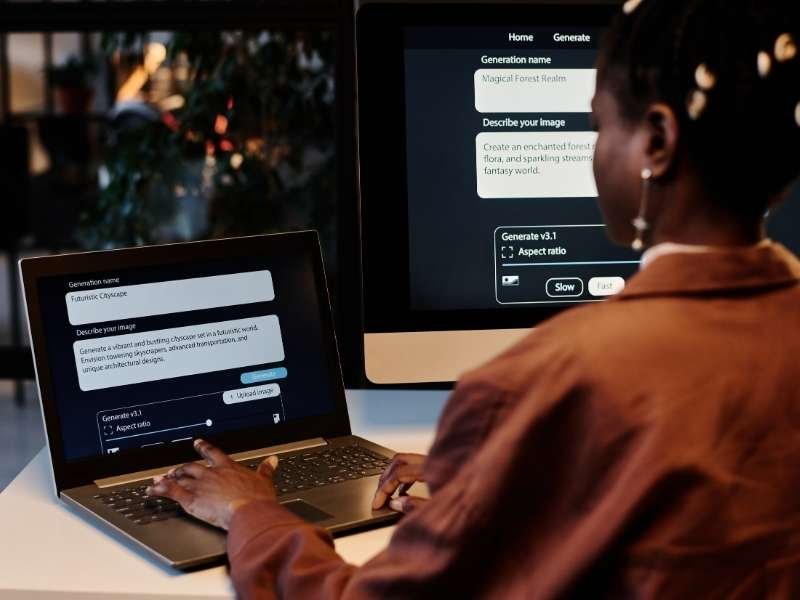
Artificial intelligence has become one of the fastest-growing remote skills in recent years. Businesses now use AI to write content, answer customer questions, organize information, summarize meetings, and speed up repetitive tasks. As more companies adopt AI, they also need people who know how to use it effectively.
What Is AI and Prompt Engineering?
Prompt engineering is the skill of writing clear instructions that help AI produce accurate and useful results. Instead of asking a simple question, you learn how to provide context, explain the task, define the audience, and specify the format you want.
Good prompts often include:
- The task to complete
- Background information
- The desired format
- The target audience
- Any rules or limitations
The better the prompt, the better the output. You also need to review and improve the AI’s response because it is not always correct.
One reason this is one of the most lucrative remote skills is that beginners can learn the fundamentals fairly quickly. The research suggests it takes about two to three weeks to understand the basics with consistent practice.
Start by focusing on one AI tool instead of trying to learn everything at once. Practice writing prompts for tasks like content creation, research, customer support, or job applications. Over time, you will naturally improve as you test different approaches.
If you’re searching for remote work, these 8 Powerful AI Prompts You Can Use for Job Search can also help you write stronger applications and prepare for interviews.
Why Companies Are Hiring AI-Skilled Workers
Many businesses already have access to AI tools, but their teams do not always know how to use them well. Employees often waste time writing weak prompts or repeating tasks that AI could complete much faster.
Someone with prompt engineering skills can help companies work more efficiently by:
- Creating reusable prompt templates
- Improving AI-generated content
- Organizing research
- Summarizing reports and meetings
- Automating repetitive tasks
- Supporting customer service teams
- Testing different AI tools for business use
According to the research, AI prompt engineers can earn between $25 and $60 per hour, although income varies based on experience, location, and the type of work.
Tools Worth Learning
Although ChatGPT is the most popular AI tool, it is not the only one worth learning. Remote professionals also use AI for:
- Writing and editing
- Research
- Meeting notes
- Presentations
- Data organization
- Customer communication
- Task automation
- Image generation
Instead of trying every AI platform available, become confident with two or three tools first. These 9 FREE AI Tools Every Remote Worker Should Have in 2026 are excellent places to begin.
2. Data Analysis (Excel & Power BI)

Every business collects data, from sales and website traffic to customer feedback. A data analyst takes that information and turns it into useful insights that help companies make better decisions.
For example, a data analyst might discover which products sell the most, which marketing campaigns perform best, or why customers stop buying. They often use tools like Excel and Power BI to organize data, create reports, and build dashboards that are easy to understand.
This skill is perfect for people who enjoy solving problems, working with numbers, and finding patterns in information.
Why Companies Are Hiring Data Analysts
Businesses make better decisions when they understand their data. Instead of guessing what works, they rely on analysts to identify trends and recommend improvements.
According to the research, data analysts can earn $25 to $70 per hour, depending on their experience, industry, and location. As more companies rely on data to grow, demand for skilled analysts continues to increase.
Tools You’ll Need
Some of the most common tools include:
- Microsoft Excel
- Power BI
- Google Sheets
If you’re new to spreadsheets, these websites that teach Excel courses for FREE are an excellent place to begin.
3. Social Media Management

Social media managers help businesses grow their online presence. Their work includes creating content, writing captions, scheduling posts, replying to comments, and tracking how each post performs.
Many businesses know social media is important, but they simply do not have the time to manage multiple platforms every day. That is why they hire remote professionals to do it for them.
This skill is ideal for creative people who enjoy content creation, communication, and keeping up with online trends.
Why Companies Are Hiring Social Media Managers
A strong social media presence helps businesses attract customers, build trust, and increase sales. Companies need someone who can consistently create engaging content while maintaining their brand voice.
The research shows that social media managers can earn between $20 and $50 per hour, with experienced professionals earning even more.
Tools You’ll Need
Some of the most popular tools include:
- Canva
- Meta Business Suite
- Buffer or Hootsuite
- CapCut
Short-form videos continue to dominate social media. These websites to start learning video editing for FREE can help you create more engaging content for clients.
4. Virtual Assistance

Virtual assistants help business owners with the day-to-day tasks that keep a business running smoothly. They may manage emails, schedule meetings, organize calendars, conduct research, prepare documents, or communicate with customers.
Since everything happens online, virtual assistants can work from almost anywhere with a reliable internet connection.
This role is an excellent starting point for organized people who enjoy planning, communication, and helping others stay productive.
Why Companies Are Hiring Virtual Assistants
As businesses grow, owners often find themselves spending too much time on routine administrative work. Hiring a virtual assistant allows them to focus on growing the business while someone else handles the daily tasks.
According to the research, virtual assistants can earn around $15 to $40 per hour, depending on their experience and responsibilities.
Tools You’ll Need
Common tools include:
- Google Workspace
- Microsoft Office
- Zoom
- Slack
- Trello
Learning to use AI can also make you a more productive virtual assistant. These ChatGPT prompts to help reduce your workload are a great place to start.
5. Copywriting and Content Writing

Copywriting focuses on convincing people to take action, whether that means buying a product or signing up for a service. Content writing, on the other hand, educates readers through blog posts, guides, newsletters, and articles.
Many remote writers do both, making this a versatile skill that works across different industries.
This skill is ideal for people who enjoy writing, storytelling, and communicating ideas clearly.
Why Companies Are Hiring Writers
Every business needs written content to attract customers and build trust. From websites and emails to blog posts and advertisements, good writing helps businesses stand out online.
The research suggests writers can earn between $20 and $75 per hour, depending on their experience, niche, and clients.
Tools You’ll Need
Some helpful tools include:
- Google Docs
- Grammarly
- ChatGPT
- Hemingway Editor
Once you’re ready to look for work, these FREE Websites that Gets You Hired FAST can help you find remote opportunities.
Mistakes Beginners Make When Learning Remote Skills
Learning a new skill is exciting, but many beginners make mistakes that slow their progress. The good news is that most of these mistakes are easy to avoid once you know what to look for.
One of the biggest mistakes is trying to learn too many skills at once. It is tempting to study graphic design today, data analysis tomorrow, and copywriting the next day. While learning different skills sounds productive, it often leads to confusion. Instead, choose one skill and give it your full attention until you become comfortable with the basics.
Another common mistake is buying course after course without taking action. Many excellent free resources are available online, and they are more than enough to help you get started. Focus on practicing what you learn instead of collecting certificates that you never use.
Some people also spend months learning but never build a portfolio. Clients and employers want proof that you can do the work. Even if you have never worked with a paying client, you can create sample projects that demonstrate your skills. A copywriter can write sample articles, a social media manager can create a month’s worth of content for a fictional business, and a data analyst can build dashboards using public datasets.
Many beginners also wait until they feel completely ready before applying for jobs. The truth is that you may never feel fully prepared. Every project teaches you something new, and confidence grows through experience. Once you understand the basics and have a few samples of your work, start applying. You might be more qualified than you think.
If you plan to freelance, these SMART ways to find clients on X (Twitter) and get hired FAST can help you connect with potential clients.
How to Land Your First Remote Client or Job
Finding your first client often feels harder than learning the skill itself. However, every experienced freelancer and remote worker started exactly where you are today.
Begin by creating a simple portfolio that showcases your abilities. It does not have to contain paid work. Personal projects, practice assignments, and mock examples can all demonstrate your skills and show employers what you can do.
Next, create a professional LinkedIn profile. Add a clear profile photo, write a short summary about your skills, and include any projects you have completed. Many recruiters actively search LinkedIn for remote workers, so keeping your profile updated can open unexpected opportunities.
Freelance platforms are another good place to gain experience. While competition can be high, they allow beginners to build reviews, improve their communication skills, and gain real-world experience. Start with smaller projects, deliver quality work, and focus on building a strong reputation.
Applying consistently is just as important as learning. Many people send a handful of applications, receive no replies, and give up too soon. Remote hiring can take time, so treat job searching like part of your daily routine. A few applications each day can eventually lead to interviews and opportunities.
Once you begin working, never stop learning. Technology changes quickly, and clients value people who continue improving their skills. Every project teaches something new, whether it is a better workflow, a new tool, or a more efficient way to solve problems.
Free Resources to Help You Learn Faster
Learning a lucrative remote skill does not have to cost a fortune. Some of the best learning resources are completely free if you know where to look.
YouTube is one of the easiest places to start. Thousands of experienced professionals share step-by-step tutorials covering everything from Excel and Power BI to AI, copywriting, and social media management. Watching tutorials while following along with your own projects can help you learn much faster than simply taking notes.
Many companies also offer free certifications and introductory courses. These courses provide structured lessons that help you understand the fundamentals before moving on to more advanced topics. Completing a few recognized certifications can also strengthen your resume and LinkedIn profile.
Practice projects are another valuable learning tool. Instead of only watching videos, challenge yourself to create something. Build a dashboard, write a blog post, manage a sample social media calendar, or organize a mock business schedule. Practical experience helps you remember what you learn and gives you work to showcase in your portfolio.
Finally, join online communities where other learners share advice, answer questions, and celebrate their progress. Being part of a supportive community keeps you motivated, introduces you to new opportunities, and reminds you that everyone starts as a beginner.
Take a look at this next: 25 FREE Platforms To Learn Skills That Pay In 2026
Wrapping Up
Learning a remote skill is one of the smartest investments you can make in 2026. It gives you the opportunity to work with clients and companies from around the world while building a career that offers flexibility and room for growth.
Remember that success rarely comes from learning everything at once. It comes from choosing one skill, practicing consistently, and taking action before you feel completely ready. Every project, application, and client helps you improve.
Whether you decide to learn AI and prompt engineering, data analysis, social media management, virtual assistance, or copywriting, the most important step is simply getting started. Stay curious, keep practicing, and continue improving your skills. A year from now, you’ll be glad you started today






5 Comments