
10 Things You MUST Include in Your Resume If You Want to Get a Job
Disclosure: Some of the links in this post are affiliate links. This means if you click on the link and purchase an item, I will receive an affiliate commission at no extra cost to you.
You can have the right experience and still struggle to get interviews. A strong resume does not simply list everything you have ever done. It needs to show recruiters why your background fits the position they need to fill.
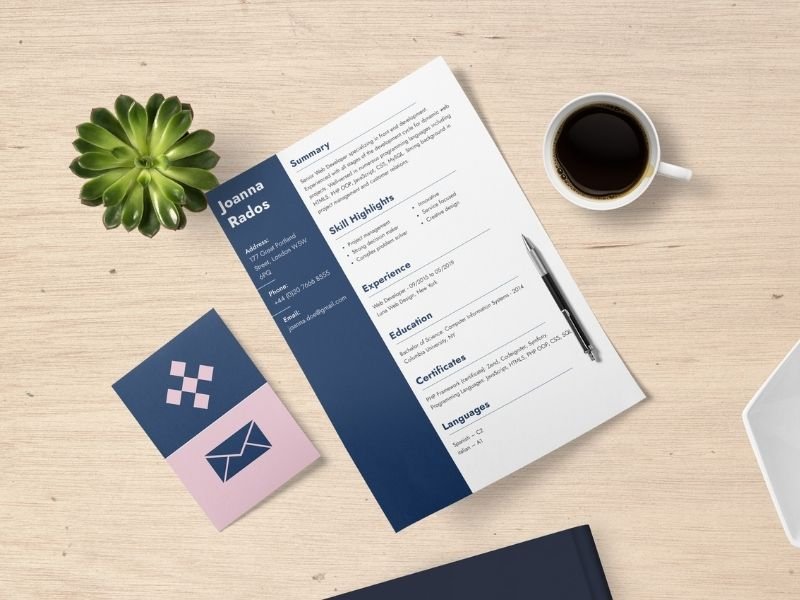
That starts with knowing the things you MUST include in your Resume before sending another application. Your professional summary should quickly explain your value and your area of expertise. Relevant skills should match the job instead of filling space with unrelated abilities. Work experience should highlight achievements rather than repeating basic responsibilities.
Your education, certifications, tools, and professional contact details also deserve careful attention. Meanwhile, strong action words can make your experience sound clearer and more confident. Relevant keywords can help your resume communicate better with applicant tracking systems.
Formatting matters too. A cluttered resume can make strong experience difficult to find. Clean spacing, consistent headings, and readable sections help recruiters scan your information faster.
The good news is that you do not need to rebuild your entire career before improving your resume. Sometimes, a few strategic changes can make your existing experience much easier to understand.
As you strengthen your application, 5 Lucrative Remote Skills You Can Learn in 2026 can also help you identify valuable skills that complement your current career direction.
The goal is simple. Make every important section earn its space, communicate your value clearly, and give recruiters a reason to keep reading.
10 Things You MUST Include in Your Resume If You Want to Get a Job
A resume needs to do more than document your career history. It should quickly show employers what you bring, where you fit, and why they should continue reading.
1. Clear Professional Summary

Your professional summary creates the first impression after your contact details, so use those opening lines strategically. Recruiters often scan resumes quickly and need to find useful information without digging through several paragraphs.
A strong summary should explain who you are, what you specialise in, and the value you bring. Avoid turning this section into your life story. Instead, focus on your professional identity and the type of role you want.
For example, a weak summary might say:
“I am a hardworking and passionate professional seeking an opportunity to grow.”
That statement could describe almost anyone.
Instead, make the summary specific:
“Customer support professional with three years of experience resolving client issues, improving response times, and managing CRM platforms.” Now, the recruiter can quickly understand your field, experience, and strengths.
Your summary should also match the position you want. A marketing resume needs different language from a project management resume. Furthermore, mention a key specialisation when it strengthens your positioning. You might highlight customer experience, digital marketing, data analysis, project coordination, or administrative support. Think of this section as your introduction, not your biography.
If you are applying for remote roles, 6 FREE Websites That Gets You Hired FAST can help you discover opportunities that match your updated resume.
2. Job-Specific Skills
Your resume should not contain a random collection of skills. Instead, choose abilities that directly connect with the role you want.
Read the job description carefully before editing this section. Look for skills the employer mentions repeatedly, then compare those requirements with your actual experience.
For example, customer support roles may require communication, problem-solving, CRM knowledge, complaint handling, and client management. A project coordinator role may focus on scheduling, documentation, team communication, planning, and project tracking.
Meanwhile, an administrative position may emphasise organisation, data entry, calendar management, and digital workplace tools. Avoid adding skills simply because they sound impressive. Your resume should reflect abilities you can confidently explain during an interview.
Also, keep the section easy to scan. Group related skills instead of creating an overwhelming wall of text. For instance, you could separate technical tools from communication strengths.
You can also strengthen your digital capabilities through 9 Websites That Teach You EXCEL Courses for FREE when Excel appears in your target job descriptions. Relevant skills make your resume feel targeted, while random skills can make it look unfocused.

3. Measurable Achievements
Many candidates describe what they did without explaining what happened afterward. That approach can make it difficult for recruiters to understand the actual value of their work.
Instead of simply writing, “Managed social media accounts,” show what the work achieved. A stronger statement could read, “Managed social media accounts and increased engagement by 40 percent.” The second version gives the employer evidence of your contribution.
Numbers can strengthen credibility because they make your results easier to understand. Think about measurable improvements you created. Perhaps you increased sales, reduced errors, improved response times, or handled more customers.
You can also mention the size of a project or workload. For example, “Processed 200 customer requests weekly” provides useful context about the scale of your responsibilities.
However, never invent numbers. Use real results that you can confidently defend during an interview.
Small achievements still matter. You may have reduced administrative delays, improved file organisation, or helped a team complete work faster. These results deserve space when they connect with your target role.
If you want stronger AI support for presenting your achievements, 8 Powerful AI Prompts You Can Use for Job Search can help you refine the wording while keeping your experience accurate.
4. Relevant Work Experience
Your resume does not need to include every task from every job you have ever held. Instead, focus on experience that supports the role you want.
Relevant employment should receive the most attention, while less relevant positions can take up less space. You can also include internships, freelance projects, volunteer work, and school projects when they demonstrate transferable skills.
This approach can be especially useful for people with limited professional experience. Suppose you want a marketing role but do not have a formal marketing title. You might include a freelance social media project that involved content creation and audience growth.
A volunteer campaign could also demonstrate communication and planning. Similarly, a university project might show research, teamwork, and presentation skills.
The key is relevance. Ask yourself how each experience supports the role, then describe that connection clearly.
Your employment history should also show progression when possible. Perhaps you gained more responsibility over time. You could mention team leadership, larger projects, or broader client responsibilities.
That progression helps create a stronger career story.
You can also develop additional remote opportunities by exploring 8 SMART Ways to Find Clients on X (Twitter) and Get Hired FAST and applying your existing experience to freelance work.

5. Education and Certifications
Education and certifications can strengthen your credibility when they support the position you are targeting. Include degrees that remain relevant to your career direction and professional certifications that demonstrate useful knowledge.
You can also include courses that directly connect with the job. However, avoid turning your resume into a certificate catalogue. Ten unrelated courses will not necessarily impress a recruiter, while one relevant certification may carry more value.
For example, a project management application may benefit from project-related training. A cybersecurity role may value recognised security coursework, while a marketing position could benefit from digital marketing certifications.
Professional development courses can also help when they address a noticeable skill gap. An Excel course can support an administrative application, while a customer service certification can reinforce a support application. An AI course can also demonstrate your willingness to adapt to workplace technology.
You can discover more learning opportunities through 10 FREE AI Courses With Certificates You Should Take Today.
Place your education and certifications in a clean section. Include the institution, course or degree name, and completion date when relevant.
6. Tools and Software Proficiency
Employers often prefer candidates who can use common workplace tools with minimal training. Therefore, include software you genuinely know and can use in practical situations.
Examples may include Google Workspace, Canva, CRM platforms, project management systems, spreadsheet tools, communication platforms, or data tools. The exact tools you include should depend on your target role.
A virtual assistant may highlight Google Workspace, Trello, ClickUp, and Canva. A marketer may mention HubSpot, Google Analytics, Canva, and email marketing systems.
A project manager could include Asana, Jira, Trello, ClickUp, and Microsoft Project. Meanwhile, a data-focused candidate might emphasise Excel, Google Sheets, Tableau, or relevant databases.
Do not list every application you have ever opened. Focus on tools that demonstrate practical readiness and relate directly to the position.
You can also improve your knowledge through 10 APPS That Teach Tech Skills for FREE.
Strong software knowledge can increase your employability because employers often value candidates who can contribute quickly.

7. Keywords From the Job Description
Many employers use applicant tracking systems to organise applications. These systems often scan resumes for relevant terms, which makes keyword selection an important part of the application process.
However, keyword stuffing can hurt your resume. Instead, naturally include terms that genuinely describe your experience and match the position.
Start with the job description and highlight repeated phrases. Look for required skills, software, certifications, and responsibilities, then compare those terms with your own background.
Suppose the employer requests “customer relationship management.” Use that exact phrase when it accurately describes your experience. If the role requires “project coordination,” mention that skill where appropriate.
The same applies to software. If the company wants experience with “Google Workspace,” include it if you genuinely use those tools.
The goal is relevance rather than manipulation. Your resume should read naturally while still using the language that accurately reflects the employer’s requirements.
You can also improve your technical vocabulary through 20 FREE Resources to Learn Cybersecurity when security roles form part of your career strategy. Keywords should appear across relevant sections. Your summary, skills, and experience can reinforce the same terminology.
8. Strong Action Words
Weak wording can make strong experience sound ordinary. Therefore, start your experience statements with clear action words that show your contribution directly.
Consider verbs such as led, managed, improved, designed, implemented, coordinated, analysed, developed, organised, and streamlined. These words make your responsibilities clearer and help recruiters understand what you actually contributed.
Compare these two statements:
“Responsible for managing client accounts.”
“Managed client accounts and improved response time by 25 percent.”
The second statement creates a clearer picture because it shows both the action and the outcome.
You can also vary your verbs throughout the resume. Repeating “managed” ten times can make the document feel monotonous, so choose the verb that best matches the actual work.
Use “coordinated” when you organised people or tasks. Choose “implemented” when you introduced a process, and use “analysed” when you examined information. Choose “developed” when you created something new.
Strong verbs make your experience easier to understand. They also help you avoid weak phrases such as “helped with” or “worked on.”
When possible, pair the action with a result. That combination gives recruiters stronger evidence of your contribution.
Open this next: 9 Places People Can Find Remote Clients Immediately (That Nobody Is Talking About)
9. Updated Contact Information
Your resume should make it easy for recruiters to reach you. Include a professional email address and your phone number when appropriate. You can also include your LinkedIn profile.
Avoid outdated contact information because a simple spelling mistake in your email address could cost you an opportunity. Make sure the email address looks professional, with your name or a simple variation usually working well.
Also check your LinkedIn URL before submitting the document. A customised profile link can look cleaner and make your professional information easier to access.
If your LinkedIn profile needs improvement, How to Optimize Your LinkedIn Profile Using ChatGPT can help you strengthen your professional presentation.
Keep your contact details near the top of the resume. Recruiters should not have to search through the document to find them. You can also include your location when it is relevant to the position. Remote roles may not require a full residential address, so follow the employer’s preferences and current application requirements.
Read this next: How to Write Your Cover Letter Using ChatGPT

10. Clean and Professional Formatting
Your resume should be easy to read and navigate. Good formatting helps recruiters locate important details quickly without getting distracted by unnecessary design elements.
Start with clear headings and use consistent fonts throughout the document. Leave enough white space around sections and keep the spacing consistent between jobs, headings, and other sections.
Avoid decorative elements that distract from your information. A highly colourful resume may look creative, but it can become difficult to scan. Simple formatting often works better for standard professional applications.
Use bold text strategically to highlight job titles, companies, or section headings without overdoing it. Keep your alignment consistent and make sure dates follow the same format throughout the document. For example, do not mix “January 2024” with “01/24” randomly.
Consistency creates a more professional appearance. You should also review the final document on both desktop and mobile screens to make sure nothing shifts unexpectedly. Save a PDF copy when the employer requests one. This helps preserve your formatting when you send the application.
Your Resume Is a Marketing Document
Before sending another application, remember what your resume needs to accomplish. It is not a biography, and you do not need to tell your entire professional life story.
Instead, your resume should show the employer that you can contribute to the role and solve relevant problems. That means every section needs a clear purpose.
Your summary introduces your value. Your skills show your relevance, while your achievements demonstrate results. Your experience provides evidence, your education supports credibility, and your tools show workplace readiness.
Your keywords improve alignment, action words strengthen your writing, and your contact details make you reachable. Good formatting then brings everything together and makes the document easier to scan.
That structure creates a focused resume. If your current resume feels crowded, remove information that does not support your target role. A shorter resume can become stronger when every remaining section adds value.
Common Resume Mistakes to Avoid
A strong resume can still lose opportunities when simple mistakes remain. Avoid spelling errors, check every date, and remove outdated contact information.
Do not include exaggerated claims or invent achievements. Avoid long paragraphs and skip irrelevant hobbies unless they genuinely strengthen your application.
You should also avoid using the same generic resume for every role. Tailor important sections when the job changes, especially your summary, skills, experience, and keywords.
Do not copy the entire job description into your resume. Instead, integrate relevant keywords naturally into descriptions of your genuine experience.
You should also avoid using vague phrases without evidence. “Excellent communicator” means little without proof. “Resolved 90 percent of customer complaints within the first response” tells a stronger story when the figure reflects your real performance.
If you need more help with job applications, 10 Things You Must Do Immediately After Applying for a Job can help you improve your follow-up process.
Make Your Resume Match Your Career Direction
Your resume should tell one clear professional story. A marketing resume needs marketing evidence, while a customer service resume needs customer support evidence. A project management resume should highlight planning and coordination. A remote administrative resume should emphasise organisation and digital tools. You can still have multiple abilities. However, the resume should lead with the skills most relevant to the job.
That focus makes your application easier to understand. For example, a candidate may have experience in design, writing, administration, and customer service, but applying for a design role requires a different emphasis.
The designer should lead with visual projects, software knowledge, client work, and measurable design outcomes. Meanwhile, the administrative experience can remain brief. Tailoring creates stronger alignment between your experience and the position.
Use AI Carefully When Improving Your Resume
AI can help you improve wording and structure, but you should remain responsible for the information in your resume. Do not allow a tool to create fake metrics. Do not add software you never used or claim qualifications you never earned.
Instead, provide accurate information and ask AI to improve how you present it. You can use AI to identify weak phrases, compare your resume with a job description, suggest keywords based on your genuine experience, or identify repetitive language. This approach makes AI a useful editor rather than a replacement for your judgement.
For additional AI support, 6 Powerful Chat GPT Prompts to Help Reduce Your Workload offers practical ways to use AI more efficiently.
Build Skills That Strengthen Your Resume
Sometimes your resume can reveal a skill gap. Perhaps you notice that several roles request project management knowledge, or you see repeated demand for data entry, cybersecurity, or video editing.
Use those patterns strategically. You do not need to learn everything. Instead, choose one valuable skill that fits your career direction.
For example, you can explore 12 Websites to Start Learning Project Management for FREE if coordination roles interest you.
For creative careers, 7 Websites to Start Learning Video Editing for FREE offers another learning path.
The goal is to connect learning with actual opportunities. Choose skills that can strengthen your applications and give you practical evidence to add to your resume.
Make Every Resume Version Specific
One resume cannot perfectly target every role. You may need several versions that emphasise different parts of your experience.
A customer service resume should emphasise communication and support. A project coordinator resume should highlight scheduling and organisation, while a marketing resume should focus on campaigns, content, analytics, and customer growth.
Creating tailored versions becomes easier once you have a strong master resume. Keep the master document with your achievements, skills, experience, and other relevant information.
Then, remove less relevant details for each application. You can also adjust your summary and skills section while updating the keywords based on the specific job description. This strategy creates targeted applications without requiring you to rebuild everything from scratch.
For additional career development, 8 Skills to Aggressively Learn and Focus on If You Are in Your 30s can help you think more strategically about long-term skill choices.
Final Thoughts
A strong resume does not need to contain everything about you. It needs to contain the right information. Start with a clear professional summary, followed by job-specific skills and measurable achievements. Then show relevant experience that supports the position, along with useful education, certifications, and software knowledge.
Use keywords naturally from the job description and strengthen your experience with clear action words. Keep your contact details accurate, then make the entire document clean and easy to read. These are the elements you should include in your resume when you want recruiters to understand your value quickly.
Do not focus only on making the resume longer. Focus on making it more relevant. Remove information that does not support your goal and strengthen the evidence that demonstrates your value. Then tailor the final version before you submit it.
A clear resume gives recruiters the information they need to understand your experience quickly. More importantly, it gives them a reason to keep reading.