
8 Skills To Aggressively Learn And Focus On If You Are In Your 30s
Disclosure: Some of the links in this post are affiliate links. This means if you click on the link and purchase an item, I will receive an affiliate commission at no extra cost to you.
Your 30s can feel like the decade when you are supposed to have everything figured out. Your career should be moving, your income should feel more stable, and the decisions you made in your 20s should finally start making sense. Yet, for many people, this is exactly when the bigger questions begin.
You may look at your current skills and wonder if they will still pay well five years from now. You might want remote work, a better-paying role, a side income, or enough confidence to change careers completely. At the same time, technology keeps moving quickly, and AI has changed what employers and clients expect. The good news is that you do not need to start learning everything.
Your 30s are actually a powerful time to become more intentional about what deserves your attention. You already understand yourself better, and you can focus on skills that strengthen your career instead of collecting random certificates.
If you are unsure which abilities will remain valuable as technology changes, start with 10 Skills AI Can’t Replace That You Should Be Learning. It can help you think beyond short-term trends before choosing your next move.
The eight skills below are worth examining closely because each can change how you work, earn, communicate, and create opportunities. Some may strengthen the career you already have. Others could open a completely different path you have not considered yet.
Why These Skills Matter More in Your 30s
Your 30s are less about collecting random skills and more about deciding which abilities deserve years of your attention. You have already had time to discover what you enjoy, what drains you, and where your career may be heading. That makes this a useful decade for depth.
The goal is not to work harder forever. You want skills that can increase your value, create repeatable income, strengthen your financial decisions, and help you adapt when industries change. Some skills affect how much you can earn. Others determine what happens after the money arrives. A few protect you from becoming dependent on one employer, platform, client, or career path.
This also means certificates alone are not enough. A skill becomes valuable when you can apply it to a real problem and produce a useful result.
If you are still exploring possible directions, 5 Lucrative Remote Skills You Can Learn in 2026 can help you identify practical digital career paths.
The skills to learn in your 30s below work differently. They are not simply eight job titles. They cover earning, selling, specialising, managing money, becoming visible, building systems, making decisions, and adapting. Here is how to start developing each one.
8 skills to aggressively learn and focus on if you are in your 30s
1. Build a Skill That Can Pay You Repeatedly

A valuable skill should have room to grow with your experience. Instead of thinking only about what can make you money once, consider skills businesses need repeatedly. Recurring problems can create recurring work.
Virtual assistance, marketing operations, analytics, reporting, bookkeeping, email marketing, content management, and project support are good examples.
Look for Recurring Business Problems
Start by looking at what businesses must do every week or month. Companies continually answer customers, manage calendars, organise data, publish content, track performance, follow up with leads, and coordinate projects.
If you become good at solving one recurring problem, clients may need your help beyond a single project. That can create more predictable work.
You could begin by exploring 25 FREE Platforms to Learn Skills That Pay in 2026 before paying for expensive training. Choose one skill and give yourself enough time to become genuinely useful.
Move Beyond Basic Task Completion
Suppose you become a virtual assistant. Scheduling meetings may help you start, but you can gradually learn inbox management, customer support, project coordination, research, or operations.
The deeper your knowledge becomes, the more difficult it becomes to compare your work with someone offering only basic assistance. The same applies to marketing. Posting content is one level. Understanding strategy, reporting, customer behaviour, and conversions gives you more depth.
Think About Repeatable Income
Repeatable income does not mean guaranteed income. It means developing work that people may need consistently instead of constantly searching for isolated tasks. Retainer services can sometimes provide that structure.
Your objective should be becoming useful enough that a client sees continued value in keeping you around. That is much stronger than depending entirely on endless hustle.
You may also like: 9 Websites That Teach You EXCEL Courses for FREE
2. Learn Sales, Even If You Dislike Selling

Sales can sound uncomfortable because people often imagine pressure, manipulation, and endless cold calls. Useful sales skills look different. You are learning how to explain value, understand needs, follow up, handle objections, and confidently ask someone to pay for your work. Those abilities matter far beyond traditional sales jobs.
Learn to Explain the Result You Provide
Imagine telling someone:
“I am a virtual assistant.”
That explains your role but says little about your value. Now consider:
“I help busy founders organise their inboxes, calendars, and daily operations.”
The second explanation connects the skill to a problem. Practise describing what you do using simple language. Ask yourself what becomes easier, faster, or better because of your work.
Get Comfortable With Following Up
Many opportunities disappear because people are afraid of appearing annoying. A thoughtful follow-up is different from repeatedly pressuring someone. If you sent a proposal, application, or introduction, create a system for checking back professionally.
This applies to employment too. 10 Things You Must Do Immediately After Applying for a Job (to Avoid Rejection) can help you think beyond simply pressing “submit.”
Learn to Ask for Payment Confidently
You also need confidence around money. Define your rate or pricing structure. Explain what the client receives. Clarify the scope before beginning. Avoid apologising for charging for useful work.
You are not asking someone to give you money for nothing. You are offering a result in exchange for payment. Sales becomes easier when you genuinely understand the problem you solve.
3. Choose One Digital Skill and Go Deep

Learning five skills at beginner level can feel productive. However, depth can create a stronger professional identity. Your goal should not simply be collecting certificates. You want someone to think of you when they need a particular type of work completed.
Pick a Skill With Real Applications
You could choose:
- Data analysis
- Video editing
- Cybersecurity
- Email marketing
- Web development
- Digital marketing
- Automation
- Graphic design
- Excel
- Project management
Your choice should connect with both your interests and real demand. For example, if video interests you, 7 Websites to Start Learning Video Editing for FREE gives you places to begin practising.
Stop Switching Every Few Weeks
Constant switching keeps you at beginner level. You watch three lessons about coding, move to design, try copywriting, discover cybersecurity, and then start an AI course.
Months pass, yet you still cannot confidently sell any of those abilities. Choose one. Learn its fundamentals. Complete practical exercises. Build projects. Find your weaknesses and improve them. Give yourself enough time to become competent.
Create Proof of Your Ability
Certificates can support your credibility, but projects demonstrate what you can actually do. An aspiring video editor can create sample edits. An Excel learner can build dashboards.
A cybersecurity learner can complete safe labs and document projects. Someone exploring that route can start with 20 FREE Resources to Learn Cybersecurity. Build a small portfolio as your ability improves. Depth makes it easier to explain exactly why someone should hire you.
4. Learn Money Management

Increasing your income does not automatically improve your financial life. If every increase disappears into higher spending, very little changes. Money management is therefore one of the most practical skills to learn in your 30s.
Find Where Your Money Leaks
Start by tracking what actually happens to your income. Look at several months of transactions rather than guessing. Small recurring expenses can become surprisingly large when combined. Lifestyle upgrades can also absorb salary increases before you notice them.
Categorise your spending and look for patterns. You do not need to remove everything enjoyable. You need visibility.
Separate Income From Lifestyle
A higher income can make expensive habits feel affordable. However, earning more does not mean every part of your lifestyle needs an immediate upgrade. Decide what matters to you before the money arrives.
Create room for necessities, enjoyment, saving, investing, and longer-term goals. This can make income growth feel meaningful instead of temporary.
Learn the Basics of Investing
Investing deserves careful education rather than social-media excitement. Learn about risk, diversification, fees, compound growth, inflation, stocks, bonds, and other investments available where you live. Never invest in something simply because someone online promises fast returns. Understand it first. Financial knowledge helps you make decisions with more confidence.
You may also discover hobbies or interests that can become additional income streams. 100 Hobbies That Will Turn Your Time Into Money offers ideas worth exploring without assuming every hobby must become a business.
5. Build Personal Visibility, Even If You Are Shy

You do not have to become loud online. You do need people to understand what you can do. Quiet competence can easily remain invisible when nobody sees your work.
Decide What You Want People to Know About You
Start with three questions. What do you do? What are you becoming particularly good at? Who can you help? Your answers should guide your online presence. Someone visiting your profile should not need ten minutes to understand your professional direction.
Share Useful Proof
You do not need to post motivational speeches every morning. Share your work. Explain something you learned. Break down a small project. Discuss a problem you solved. Show before-and-after results when appropriate.
A person learning Excel could share a useful spreadsheet tip. A marketer could explain a campaign lesson. A designer could show the thinking behind a project. This gradually creates evidence around your expertise.
Use Platforms Strategically
Choose platforms where relevant people already spend time. LinkedIn can support professional visibility, while X can help you join industry conversations and meet potential clients. If X fits your goals, 8 SMART Ways to Find Clients on X (Twitter) and Get Hired FAST can help you approach it with more intention. Do not chase every platform. Consistency on one or two useful platforms can work better than weak activity across six.
Let Your Skills Become Discoverable
Visibility creates more ways for opportunities to reach you. A recruiter could find a post. A business owner might see your portfolio. A former colleague could remember your speciality. Someone may recommend you because your name immediately comes to mind. You do not need thousands of followers. You need the right people to understand your value.
6. Build Systems That Reduce Effort

Hard work can produce results, but constantly relying on maximum effort creates an unstable routine. Systems make useful actions easier to repeat. Your work, learning, rest, applications, finances, and client management can all benefit from simple systems.
Create a Work System
Stop keeping every task in your head. Use a calendar, task manager, spreadsheet, or another simple tool to track responsibilities. Decide when you will handle important work. Group similar tasks where possible.
Create templates for things you repeatedly write. Document processes you regularly repeat. Organisation reduces the mental energy wasted trying to remember everything.
Build a Learning System
Do not buy a course and hope motivation carries you through it. Set specific learning times. Decide what you will study each week and include practice. You can use 10 APPS That Teach Tech Skills for FREE to find accessible learning options, but avoid downloading everything at once.
One completed learning path beats ten abandoned ones.
Use AI for Repetitive Work
AI can support research, brainstorming, summaries, drafts, organisation, and other repetitive tasks. The key word is support. You still need judgment. Start by identifying tasks that consume time without requiring your full attention.
Then test ways AI could speed up part of the process. 6 Powerful Chat GPT Prompts to Help Reduce Your Workload can give you practical examples. You can also explore 9 FREE AI Tools Every Remote Worker Should Have in 2026 when building your digital workflow.
Create Systems for Rest
Rest also needs space in your schedule. A routine that only works when you have unlimited energy will eventually become difficult to maintain. Leave room for sleep, breaks, exercise, relationships, and activities outside work. Sustainable progress matters more than short bursts followed by exhaustion.
7. Improve Decision-Making Under Pressure

A bad decision can become expensive as your responsibilities increase. You may need to evaluate job offers, clients, partnerships, investments, business opportunities, and career changes. Strong decision-making deserves deliberate practice.
Separate Urgency From Importance
Not every urgent request deserves an immediate yes. When possible, create space between receiving information and making a major commitment. Ask:
What exactly am I agreeing to?
What could go wrong?
What information am I missing?
What happens if I say no?
Those questions can prevent emotional decisions.
Be Careful With Business Partnerships
Excitement can make a new partnership look perfect. Slow down enough to discuss responsibilities, money, ownership, expectations, decision-making, and what happens if someone wants to leave. Do not rely entirely on enthusiasm. Clear expectations can protect relationships later.
Watch Emotional Spending
Pressure can also affect financial decisions. A difficult week can make spending feel comforting. Social comparison can make an unnecessary purchase suddenly feel essential.
Learn to recognise those triggers. Give larger purchases time before completing them. The goal is not to remove enjoyment. You are protecting yourself from decisions you may regret once the emotion passes.
Evaluate Opportunities Instead of Chasing Them
Not every opportunity deserves your time. A role may offer impressive exposure but poor compensation. A client may offer good money but unrealistic expectations. A course may promise transformation without teaching anything useful.
Research before committing. When you are actively looking for employment, 6 FREE Websites That Get You Hired FAST can help you find opportunities, but you should still evaluate each role carefully. Good decisions often require patience rather than speed.
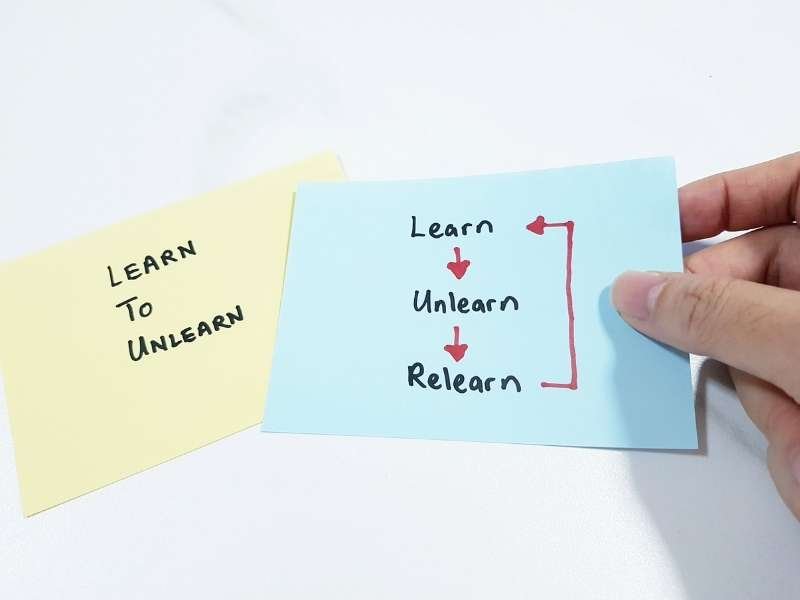
8. Develop the Ability to Learn Fast and Unlearn Faster
Hard work can produce results, but constantly relying on maximum effort creates an unstable routine. Systems make useful actions easier to repeat. Your work, learning, rest, applications, finances, and client management can all benefit from simple systems.
Create a Work System
Stop keeping every task in your head. Use a calendar, task manager, spreadsheet, or another simple tool to track responsibilities. Decide when you will handle important work. Group similar tasks where possible.
Create templates for things you repeatedly write. Document processes you regularly repeat. Organisation reduces the mental energy wasted trying to remember everything.
Build a Learning System
Do not buy a course and hope motivation carries you through it. Set specific learning times. Decide what you will study each week and include practice. You can use 10 APPS That Teach Tech Skills for FREE to find accessible learning options, but avoid downloading everything at once.
One completed learning path beats ten abandoned ones.
Use AI for Repetitive Work
AI can support research, brainstorming, summaries, drafts, organisation, and other repetitive tasks. The key word is support. You still need judgment. Start by identifying tasks that consume time without requiring your full attention.
Then test ways AI could speed up part of the process. 6 Powerful Chat GPT Prompts to Help Reduce Your Workload can give you practical examples. You can also explore 9 FREE AI Tools Every Remote Worker Should Have in 2026 when building your digital workflow.
Create Systems for Rest
Rest also needs space in your schedule. A routine that only works when you have unlimited energy will eventually become difficult to maintain. Leave room for sleep, breaks, exercise, relationships, and activities outside work. Sustainable progress matters more than short bursts followed by exhaustion.






8 Comments